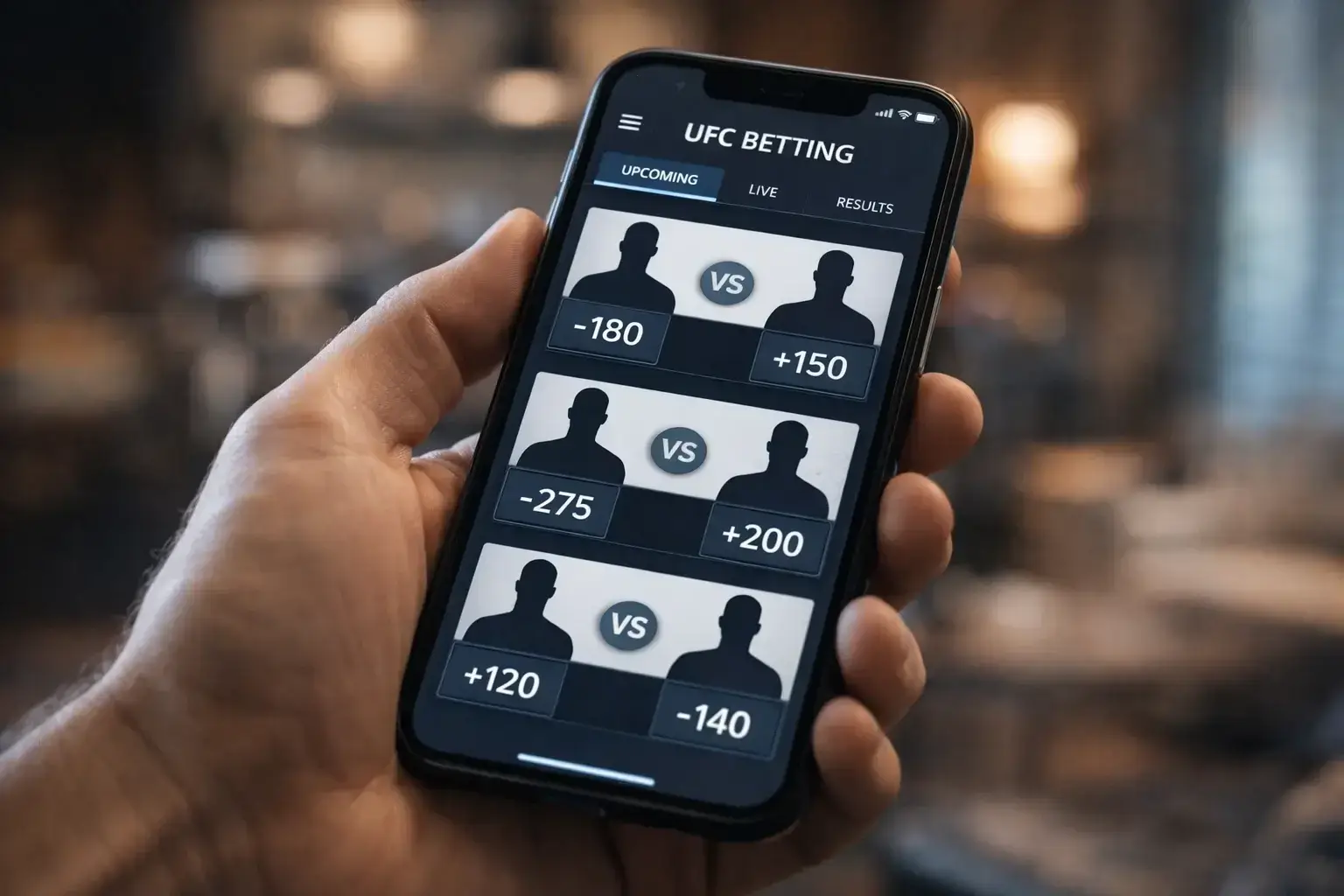
UK UFC Betting: MMA Fight Odds and Sportsbook Markets
 Available in US
The Ultimate Fighting Championship has transformed from a niche spectacle into a global phenomenon, and the betting market has followed suit. What was once a fringe activity has evolved into one of the fastest-growing segments of the sports betting industry. In 2026, UFC events generate betting handles that rival traditional sports, with major pay-per-view cards attracting millions of dollars in wagers from casual fans and sharp bettors alike.
This guide breaks down everything you need to know about betting on UFC fights. Whether you are placing your first wager or looking to refine your handicapping approach, the information here covers the fundamentals and extends into strategic territory that most guides overlook. From understanding how odds work to analyzing fighters like a professional, you will find actionable insights rather than surface-level overviews.
The UFC operates year-round, hosting events nearly every weekend across multiple continents. This relentless schedule creates a continuous stream of betting opportunities that other sports simply cannot match. There is no off-season, no waiting for playoffs, no months of downtime. If you develop a solid approach to UFC betting, you have the chance to apply it fifty-plus times per year. That frequency rewards bettors who put in the work to understand the sport at a deeper level.
Analyzing UFC Betting Markets for Real-Money Wagers
UFC betting involves wagering on the outcomes of mixed martial arts contests sanctioned by the Ultimate Fighting Championship, the world’s premier MMA organization. Unlike team sports where you might bet on a franchise with dozens of players contributing to a result, UFC betting centers on individual fighters competing in one-on-one combat. This dynamic creates a unique betting environment where personal attributes, training camps, fighting styles, and even mental states can dramatically influence outcomes.
The sport itself combines disciplines from across the combat sports spectrum. Fighters utilize boxing, kickboxing, wrestling, Brazilian jiu-jitsu, and various other martial arts within the confines of the octagon. This diversity means that matchups often come down to style clashes rather than pure talent hierarchies. A world-class wrestler might struggle against a slick submission artist, while a knockout puncher could find himself neutralized by an opponent with superior grappling. Understanding these stylistic interactions forms the foundation of successful UFC handicapping.
Betting on UFC differs meaningfully from wagering on other MMA promotions like Bellator, ONE Championship, or the PFL. The UFC consistently features the deepest talent pool in the sport, which means odds tend to be sharper and value harder to find. Oddsmakers devote significant resources to UFC lines because the betting volume justifies that attention. Smaller promotions often present softer lines, but they also come with less reliable information and more volatile outcomes. For bettors, the UFC represents the most liquid and well-researched market in combat sports.
The legal landscape for UFC betting in the United States has expanded dramatically over recent years. Following the Supreme Court’s 2018 decision to overturn the federal ban on sports betting, individual states have moved to legalize and regulate the industry. As of 2026, the majority of US states offer some form of legal sports betting, with UFC markets available at all major sportsbooks. This regulatory environment provides consumer protections, ensures fair payouts, and creates a competitive marketplace where bettors can shop for the best odds.
Sportsbooks set UFC odds using a combination of algorithmic models, historical data, and the expertise of professional oddsmakers. The process typically begins with power ratings assigned to each fighter based on past performances, measurable attributes, and stylistic factors. When a fight is announced, oddsmakers calculate initial lines by comparing these ratings and accounting for contextual elements like venue, weight class, and recent layoffs. Lines then move based on betting action, injury reports, and other developments leading up to fight night. Understanding that odds represent both probability assessments and market responses helps bettors identify situations where the betting public might be mispricing a matchup.
How UFC Odds Work
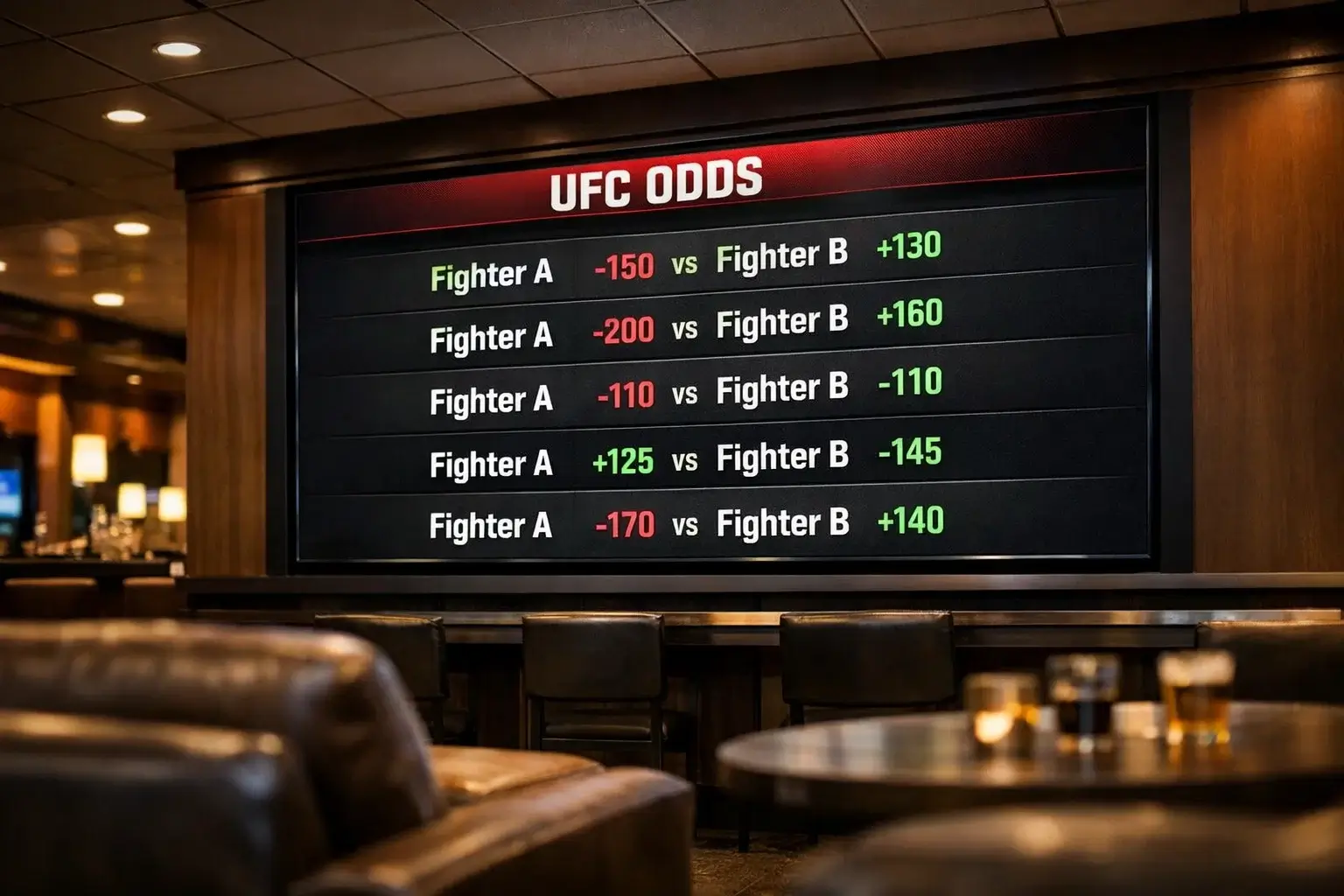
UFC betting odds in American markets use the moneyline format, expressed as positive or negative numbers relative to a baseline of one hundred dollars. This system might seem confusing at first glance, but it communicates two essential pieces of information: who the sportsbook considers the favorite, and what the potential payout looks like for each side of the wager.
Negative odds indicate the favorite. When you see a fighter listed at -150, the sportsbook believes this competitor is more likely to win. The number tells you how much you need to wager to win one hundred dollars in profit. At -150, you would bet one hundred fifty dollars to win one hundred, for a total return of two hundred fifty dollars if successful. The larger the negative number, the heavier the favorite. A -300 line means the sportsbook sees this fighter as a strong favorite, requiring a three hundred dollar wager to win one hundred.
Positive odds indicate the underdog. A fighter listed at +200 is expected to lose, but the potential payout compensates for accepting that risk. Positive numbers show how much you win on a one hundred dollar bet. At +200, a successful one hundred dollar wager returns three hundred dollars total, consisting of your original stake plus two hundred dollars in profit. Bigger positive numbers reflect longer odds and larger potential payouts for backing the underdog.
Calculating payouts becomes straightforward once you understand this framework. For favorites with negative odds, divide one hundred by the absolute value of the odds, then multiply by your stake. For a fifty dollar bet at -150, the calculation is 100 divided by 150, multiplied by 50, yielding approximately thirty-three dollars in profit. For underdogs with positive odds, divide the odds by one hundred and multiply by your stake. A fifty dollar bet at +200 produces 200 divided by 100, multiplied by 50, which equals one hundred dollars in profit.
Implied probability translates odds into percentage terms, revealing what the sportsbook believes about each fighter’s chances of winning. For negative odds, the formula is the absolute value of the odds divided by that same value plus one hundred. A -150 favorite has an implied probability of 150 divided by 250, or 60 percent. For positive odds, divide one hundred by the odds plus one hundred. A +200 underdog has an implied probability of 100 divided by 300, or approximately 33 percent. Savvy bettors compare these implied probabilities against their own assessments to identify potential value.
Price the fight, not the hype
Fighter A
Fighter B
Fighter A
Fighter B
Line movement occurs when odds shift from their opening values, and tracking these changes provides insight into where money is flowing and how perceptions are changing. Significant movement toward a fighter often indicates sharp action from respected bettors, while public money sometimes pushes lines in ways that create value on the opposite side. A fighter who opens at -150 and moves to -200 has attracted substantial support, while one who drifts from -150 to -130 might be generating less confidence than anticipated. Watching line movement helps bettors time their wagers and understand market sentiment.
Consider a practical example from a main event scenario. Fighter A opens at -180 against Fighter B at +150. The implied probabilities suggest Fighter A has roughly a 64 percent chance of winning while Fighter B sits around 40 percent. Notice these percentages add up to more than one hundred. That excess represents the vigorish or juice, the margin that ensures sportsbooks profit regardless of the outcome. Throughout the week, suppose Fighter A moves to -200 while Fighter B shifts to +170. This movement indicates the market has become even more confident in Fighter A, but the underdog payout has also increased, potentially creating value for those who believe the favorite is being overestimated.
Understanding these mechanics transforms UFC betting from guesswork into informed decision-making. The odds are not just numbers on a screen; they represent the market’s collective assessment of probability, shaped by sharp bettors, recreational action, and the sportsbooks themselves. Your job as a bettor is to find situations where your analysis suggests the true probability differs meaningfully from what the market implies.
Types of UFC Bets
The UFC betting market offers far more than simple win-lose propositions. Modern sportsbooks have developed extensive menus of wagering options that allow bettors to express nuanced opinions about how fights will unfold. Understanding each bet type and when to use it separates recreational bettors from those who approach UFC wagering with genuine strategic intent.
Moneyline Bets
The moneyline represents the purest form of UFC betting: pick the winner. No point spreads, no complicated conditions, just a straightforward wager on which fighter will have their hand raised at the end of the contest. This simplicity makes moneyline bets the most popular option for both new and experienced bettors.
Deciding when to back favorites versus underdogs requires careful analysis of both the matchup and the price. Heavy favorites priced beyond -300 rarely offer sustainable value because the risk-reward ratio becomes unfavorable. Losing even occasionally at those prices devastates your bankroll. Conversely, blindly backing underdogs because of attractive plus-money odds leads to disappointment when those long shots fail to connect. The sweet spot often lies in slight favorites between -120 and -200 or live underdogs in the +120 to +200 range where one side appears mispriced by a meaningful margin.
The key to successful moneyline betting is honest probability assessment. Before checking the odds, evaluate the matchup and estimate each fighter’s realistic chances of winning. If you believe an underdog has a 40 percent chance of victory but the market implies only 30 percent, you have identified potential value. This discipline prevents the common trap of letting odds dictate your opinion rather than forming an independent view.
Over/Under Rounds Betting
Totals betting in UFC typically centers on whether a fight will last over or under a specified number of rounds. Common lines include over/under 1.5 rounds, 2.5 rounds, or in championship fights, 3.5 or 4.5 rounds. These bets require you to assess not just who wins, but how and when.
Several factors influence round totals. Fighters with high knockout rates tend to push outcomes toward the under, while technical strikers and grappling-heavy competitors often produce longer fights. Matchups between two durable fighters with solid chins frequently go the distance, making overs attractive. Weight class matters as well; heavyweight fights tend to end faster due to the stopping power involved, while lighter divisions often see more decisions.
Analyzing the specific stylistic interaction proves more valuable than relying on aggregate statistics. A knockout artist facing a slick counterstriker who has never been stopped might fight more cautiously than usual, extending the bout. Meanwhile, two wrestlers meeting in the center of the octagon could produce a grinding fight that easily clears the total. Context always trumps raw numbers.
Method of Victory
Method of victory bets allow you to wager not only on who wins but how they win. Standard options include knockout or technical knockout, submission, and decision. Some sportsbooks break these down further, separating unanimous decisions from split decisions or distinguishing between first-round finishes and later stoppages.
This market rewards bettors who understand fighting styles at a granular level. A fighter with heavy hands and aggressive pressure might be priced as a moderate favorite on the moneyline, but their method of victory by knockout could offer plus-money odds that represent genuine value. Similarly, a jiu-jitsu specialist facing an opponent with suspect submission defense might present a better opportunity through the submission method than the straight moneyline.
Strategic method of victory betting often involves correlating your predictions. If you believe a fight ends early by knockout, the moneyline favorite with knockout power probably represents a better risk-adjusted wager through the method of victory market than simply backing them to win. You accept slightly more risk by specifying the outcome but receive substantially better compensation.
Round Betting
Round betting takes specificity further, asking you to predict the exact round in which a fight ends. This market offers substantial payouts because the precision required makes correct predictions relatively rare. Odds on specific round finishes often range from +500 to +2000 depending on the matchup and the round in question.
Round groups provide a middle ground between exact round betting and simple over/unders. You might wager on a fight ending in rounds one through two, or rounds three through five, combining multiple possibilities under a single bet. This approach captures the elevated payouts of round betting while acknowledging the difficulty of pinpointing exact moments.
Successful round betting demands attention to pacing patterns. Some fighters start slowly and ramp up pressure in later rounds, while others explode out of the gate and fade if they cannot secure an early finish. Studying how a fighter has distributed their finishes across their career provides useful guidance, though small sample sizes mean these patterns can shift quickly.
Prop Bets
Proposition bets cover outcomes beyond the main result, offering creative ways to engage with a fight. Common props include whether the fight will go the distance, whether a fight will start a specific round, and various fighter-specific propositions.
The go the distance prop functions as a binary version of round totals. You simply wager yes or no on whether both fighters will remain standing through the final bell. This bet strips away the complexity of predicting exact totals and focuses purely on finish probability.
Fighter-specific props might include whether a particular competitor will land a knockdown, attempt a certain number of takedowns, or secure a submission attempt. These markets require granular knowledge of fighting tendencies but can offer excellent value when sportsbooks misprice the likelihood of specific events occurring.
Parlay Betting
Parlays combine multiple selections into a single wager where all picks must win for the bet to pay. The appeal is obvious: payouts multiply with each leg added, turning modest stakes into potentially significant returns. The danger is equally apparent: a single loss voids the entire ticket.
UFC parlays carry particular risk because the sport’s inherent volatility means upsets occur regularly. Stacking heavy favorites might seem safe, but even -400 or -500 lines lose with disturbing frequency in MMA. A three-leg parlay of substantial favorites can easily unravel when one fighter gets caught with an unexpected punch or falls into an unforeseen submission.
If you do pursue parlays, consider correlated selections where the outcomes logically connect. Parlaying a fighter to win with the fight going under a certain number of rounds makes sense if your thesis involves a dominant early performance. Random combinations of unrelated fights offer worse expected value despite their psychological appeal.
Live and In-Play Betting
Live betting allows wagering during fights as the action unfolds. Odds update in real-time based on what happens in the octagon, creating opportunities for bettors who can process information quickly and identify shifting momentum.
The live betting environment favors those with genuine fight knowledge. Recognizing when a fighter is fatiguing, when one competitor has established control despite superficial appearances, or when a seemingly dominant performance might be vulnerable to a comeback requires experienced observation. Casual viewers often overreact to visible damage while undervaluing positional dominance and accumulated fatigue.
Sportsbooks adjust live odds aggressively, so finding value requires both speed and accuracy. A fighter who gets rocked early might see their odds crater, but if you recognize they recovered well and their opponent expended significant energy in the sequence, the inflated underdog price might present genuine opportunity.
Futures Betting
Futures markets allow wagering on outcomes that will be determined over longer timeframes. Championship predictions represent the most common UFC futures, letting you bet on who will hold a belt at a specific future date or who will win a potential upcoming title fight.
These bets tie up your money for extended periods and involve substantial uncertainty. Injuries, scheduling changes, and the inherent unpredictability of the sport make UFC futures challenging. However, the extended timeline means sportsbooks sometimes misprice these markets, offering value for bettors willing to accept the illiquidity and risk involved.
UFC Betting Strategies for Success
Profitable UFC betting requires more than luck and casual fandom. Consistent success demands a structured approach that combines rigorous research, disciplined bankroll management, and the intellectual honesty to recognize when the market knows something you might have missed. These strategies provide a framework for approaching UFC wagering with the seriousness it deserves.
Fighter research forms the backbone of any successful betting approach. Start with the official UFC statistics, then expand your investigation to include fight footage, training camp reports, and interviews. Numbers tell part of the story, but watching how a fighter performs under pressure, how they respond to adversity, and how they implement game plans reveals dimensions that statistics cannot capture. A fighter with mediocre takedown defense numbers might actually have excellent wrestling when facing certain styles while struggling against others. Context matters more than aggregates.
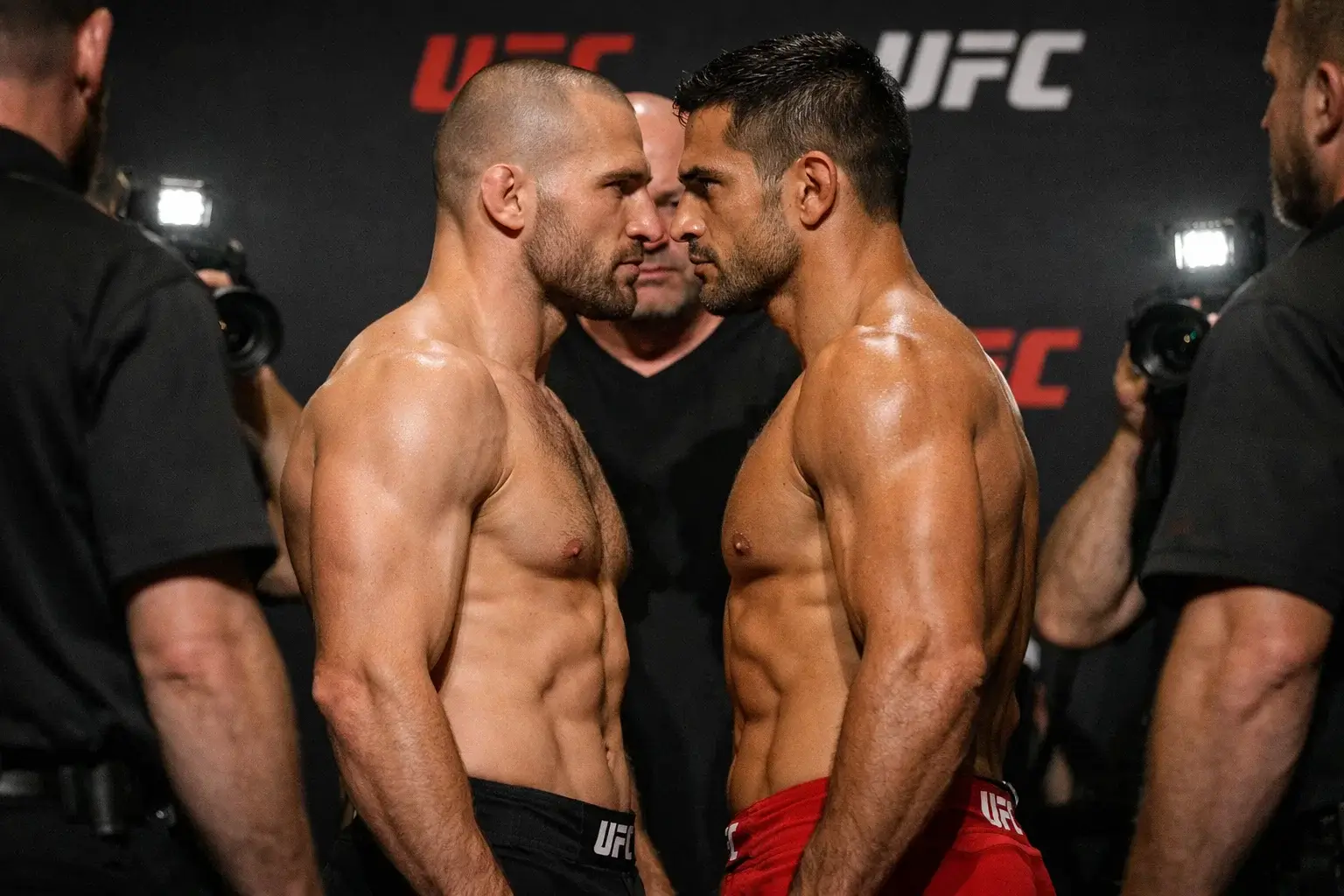
Style matchup analysis separates sophisticated bettors from those who simply back the better fighter. MMA operates on a quasi-rock-paper-scissors dynamic where certain approaches neutralize others. A pressure fighter with relentless forward movement might overwhelm a technical counterstriker but struggle against a wrestler who can convert their aggression into takedown opportunities. Identifying these stylistic interactions often reveals value that raw talent assessments miss. The question is not merely who is better, but who is better in this specific configuration.
Training camp intelligence provides crucial context that influences fight outcomes. Information about training partners, coaching changes, and preparation quality circulates through MMA media in the weeks before major fights. A fighter who moved camps, brought in specific sparring partners to simulate their opponent’s style, or reportedly had an exceptional preparation often enters the octagon with advantages that the market might not fully appreciate. Conversely, reports of injuries, shortened camps, or personal distractions should factor into your assessments.
Weight cuts represent one of the most underrated factors in UFC betting. Fighters who drain significant weight to make their division often rehydrate substantially before fight night, but severe cuts can compromise performance in ways that become apparent only under duress. A fighter who looked gaunt at weigh-ins might gas in later rounds or prove more susceptible to body shots. Tracking how fighters have looked during the weight cut process provides insight that the market sometimes neglects.
Value betting principles apply to UFC markets just as they do to any other form of wagering. The goal is not to predict winners but to identify situations where your probability assessment exceeds the implied probability from the odds. Backing a fighter you believe will lose more often than they win can still represent positive expected value if the payout compensates for the risk. This requires separating the question of who wins from the question of whether the price is right.
Bankroll management determines long-term survival in UFC betting. The sport’s volatility means even skilled bettors experience losing streaks that can devastate accounts if bet sizing is reckless. Most professionals recommend risking between one and three percent of your bankroll on individual wagers, with rare exceptions for especially high-conviction plays. This conservative approach ensures you remain solvent through inevitable variance and maintains psychological equilibrium when results temporarily turn against you.
Common mistakes plague even experienced UFC bettors. Recency bias leads people to overweight the most recent performance while discounting longer track records. A fighter who looked dominant in their last outing might face different circumstances in their next bout, but the market often prices them as if their recent form will continue indefinitely. Fandom presents another trap; backing fighters you personally like regardless of the matchup or price constitutes emotional rather than analytical betting. Finally, chasing losses by increasing bet sizes after setbacks accelerates bankroll destruction rather than facilitating recovery.
How to Analyze UFC Fighters

Fighter analysis translates general strategic principles into concrete evaluations of specific competitors. Developing a systematic approach ensures you consider all relevant factors and avoid the cognitive shortcuts that lead to predictable errors. This section outlines the key dimensions of fighter analysis and explains how to synthesize them into actionable assessments.
Key statistics provide the starting point for fighter evaluation. The UFC publishes comprehensive data through UFCStats.com, including striking volume, accuracy percentages, takedown numbers, and submission attempts. These figures offer objective baselines for comparing fighters, though interpreting them requires understanding the context in which they were compiled. A fighter with modest striking numbers might have faced elite competition, while impressive statistics could reflect a favorable schedule against lower-tier opponents.
Striking metrics deserve particular attention given that most UFC fights feature substantial standup exchanges. Significant strikes landed per minute indicates offensive output, while significant strike accuracy reveals efficiency. On the defensive side, strikes absorbed per minute and defense percentage show how well a fighter avoids incoming damage. Comparing these figures between opponents helps predict who might control the standup portions of a fight.
Grappling metrics illuminate the ground game dimensions of MMA. Takedown accuracy shows how effectively a fighter converts shooting attempts into completed takedowns, while takedown defense reveals resistance to being taken down. Control time statistics indicate how much of each round a fighter spends in dominant positions. For fights where grappling might prove decisive, these numbers help anticipate who will dictate where the action takes place.
Finish rates and durability warrant close examination. A fighter with a high knockout percentage poses different threats than one who typically wins by decision. Similarly, a competitor who has been stopped multiple times might carry vulnerability that an aggressive opponent could exploit. However, context matters: being finished by elite strikers differs from getting stopped by lesser competition. Durability should be evaluated against the quality of opposition faced.
Recent form and trajectory indicate whether a fighter is ascending, declining, or plateauing. Young fighters often improve dramatically between outings as they accumulate experience and refine their skills. Veterans might show signs of decline that statistics do not fully capture, such as slower reactions, diminished power, or reduced cardio capacity. Watching recent fight footage with attention to these qualitative dimensions supplements the statistical picture.
Age and experience factors influence performance in complex ways. Younger fighters tend to possess physical advantages in speed, recovery, and durability, but they often lack the pattern recognition and composure that veterans have developed through accumulated octagon time. Age-related decline typically becomes apparent in the mid-thirties, though individual variation means some fighters remain elite later while others fade earlier. Experience matters most in high-pressure situations where mental fortitude can prove decisive.
Synthesizing these dimensions into a coherent fighter profile requires judgment about which factors matter most for a specific matchup. A grappling-heavy fight makes wrestling metrics paramount, while a likely standup battle prioritizes striking numbers. The best analysts develop the flexibility to weight different factors according to the matchup at hand rather than applying a rigid formula across all fights. This adaptive approach captures the nuanced reality that different fights hinge on different skills.
Choosing UFC Betting Sites

Selecting the right sportsbook significantly impacts your UFC betting experience. Not all platforms offer equal coverage of MMA markets, and differences in odds, features, and user experience can affect both your results and your enjoyment. Understanding what to prioritize helps you find platforms that align with your betting approach.
Market depth distinguishes serious UFC sportsbooks from those that treat MMA as an afterthought. The best platforms offer comprehensive betting menus for every UFC event, including main card and preliminary fights. Beyond basic moneylines, look for extensive prop offerings, round betting, method of victory options, and fighter-specific propositions. Sportsbooks that offer thin UFC coverage limit your ability to express nuanced opinions and capture value in specialty markets.
Odds competitiveness directly affects your bottom line over time. Even small differences in lines compound across dozens of bets throughout a year. Shopping for the best available price on each wager might seem tedious, but it represents one of the easiest ways to improve your long-term results. Maintaining accounts at multiple sportsbooks allows you to compare odds and place each bet where you receive the most favorable terms.
Live betting capabilities matter if you want to wager during fights. Not all platforms handle in-play UFC betting equally well. The best sportsbooks offer responsive odds that update quickly as action unfolds, along with stable interfaces that do not lag or crash during high-volume moments. Live betting also requires fast transaction processing so you can execute wagers before odds shift away from your intended price.
Bonus offers and promotions provide extra value when used strategically. Welcome bonuses for new customers, odds boosts for specific events, and loyalty programs that reward continued activity can supplement your bankroll. However, always read the terms and conditions attached to promotional offers. Wagering requirements, minimum odds restrictions, and expiration dates can limit the practical value of bonuses that appear generous at first glance.
Mobile experience increasingly defines how bettors interact with sportsbooks. A well-designed app allows you to research, place bets, and monitor results from anywhere. Key features include intuitive navigation, quick bet placement, reliable notifications for odds changes, and seamless account management. Given that UFC events often occur on Saturday evenings when you might not be at a desktop computer, mobile functionality matters more for MMA than for weekday sports.
Top platforms for UFC betting in 2026 include established operators like DraftKings, FanDuel, BetMGM, and Caesars, all of which offer comprehensive MMA coverage across most legal US states. International options like bet365 provide additional alternatives for bettors in jurisdictions where these platforms operate. Each sportsbook has particular strengths, so consider opening accounts at several to maximize your flexibility.
UFC Events and Betting Opportunities
The UFC calendar operates year-round, generating consistent betting opportunities that reward dedicated followers of the sport. Understanding the different event formats helps you approach each card with appropriate expectations and identify where value might emerge.
UFC numbered events represent the organization’s premium offerings, typically featuring championship fights and high-profile matchups that generate substantial public interest. These pay-per-view cards receive extensive media coverage, which means odds are sharper and finding value requires correspondingly more effort. The betting handle on numbered events dwarfs smaller cards, attracting attention from professional bettors and sophisticated models that compete directly with your analysis.
UFC Fight Night cards occur nearly every week and feature competitive matchups without the pay-per-view price tag. These events often present better value opportunities than major cards because they receive less media attention and generate lower betting volume. Sportsbooks devote fewer resources to pricing Fight Night preliminary bouts, creating potential inefficiencies for bettors willing to research lower-profile matchups thoroughly.
Dana White’s Contender Series operates from August through October, showcasing prospects competing for UFC contracts. These events feature fighters with limited professional records and minimal UFC experience, making them difficult to handicap but potentially rewarding for those who follow regional MMA scenes. The information asymmetry on Contender Series bouts can be substantial, favoring bettors who have actually watched footage of these developing fighters.
International events introduce additional variables worth considering. Fights held overseas might affect fighter preparation due to travel, time zone adjustments, and unfamiliar environments. Cards in Asia or the Middle East sometimes feature more local fighters, whose records might include competition that is difficult to evaluate from afar. These contextual factors rarely receive adequate attention in odds-setting, presenting opportunities for observant bettors.
The consistent UFC schedule means developing sustainable habits matters more than periodic intense engagement. Building a routine around card analysis, watching events attentively, and reviewing results over time creates compounding benefits. Knowledge accumulates, pattern recognition improves, and your assessments become more calibrated through experience. The bettors who succeed long-term are those who approach UFC wagering as an ongoing practice rather than occasional entertainment.
Responsible UFC Betting

Betting on UFC fights should remain an enjoyable activity that enhances your engagement with the sport rather than a source of financial or emotional distress. Maintaining a healthy relationship with wagering requires self-awareness, clear boundaries, and the willingness to step back when necessary.
Setting betting limits before you begin protects against impulsive decisions made in the heat of the moment. Determine how much money you can afford to lose without affecting your financial well-being, and treat that amount as your bankroll ceiling. Never bet money allocated for essential expenses, and avoid the temptation to deposit additional funds when your initial bankroll depletes. These boundaries should be firm, not aspirational guidelines that bend under pressure.
Recognizing problem gambling signs helps you intervene before casual wagering becomes harmful. Warning indicators include betting more than you planned, chasing losses with increasingly large wagers, lying to others about your gambling activity, neglecting responsibilities because of betting, and experiencing stress or anxiety related to wagering outcomes. If you recognize these patterns in your behavior, take them seriously rather than dismissing them as temporary phases.
Resources exist for those who need support. The National Council on Problem Gambling operates a helpline and provides information about treatment options. Most states with legal sports betting require sportsbooks to offer self-exclusion programs that allow you to voluntarily ban yourself from platforms. These tools exist because the industry recognizes that some participants need help, and using them reflects self-awareness rather than weakness.
Betting on UFC works best as entertainment that adds excitement to watching fights, not as a primary income source or emotional outlet. The vast majority of bettors lose money over time, and expecting otherwise sets you up for disappointment. If you find that wagering diminishes rather than enhances your enjoyment of the sport, reevaluating your involvement makes sense regardless of your results. The sport itself offers plenty of reasons to watch without the added stakes of money on the line.
FAQ
How do UFC betting odds work?
UFC odds use the American moneyline format where negative numbers indicate favorites and positive numbers indicate underdogs. A fighter listed at -150 requires you to wager one hundred fifty dollars to win one hundred dollars in profit, meaning the sportsbook considers them more likely to win. Conversely, a fighter at +200 returns two hundred dollars profit on a one hundred dollar bet because they are expected to lose. The magnitude of the number reflects the degree of favoritism or underdog status. You can convert these odds to implied probabilities: for favorites, divide the odds by the odds plus one hundred; for underdogs, divide one hundred by the odds plus one hundred. Understanding these mechanics helps you evaluate whether the potential payout justifies the risk based on your own assessment of each fighter’s chances.
What types of bets can you place on UFC fights?
UFC betting encompasses a diverse range of wagering options beyond simply picking the winner. Moneyline bets require you to select which fighter wins regardless of how. Over/under rounds betting involves predicting whether the fight lasts longer or shorter than a specified number of rounds. Method of victory bets ask you to predict not just who wins but how they win, whether by knockout, submission, or decision. Round betting challenges you to identify the specific round in which the fight ends. Prop bets cover various outcomes like whether the fight goes the distance, whether a specific event occurs during the bout, or fighter-specific statistical outcomes. Parlays combine multiple selections into single wagers with multiplied payouts. Live betting allows wagering during fights as odds update in real-time. Futures markets let you bet on longer-term outcomes like championship predictions. This variety enables bettors to express sophisticated opinions about how matchups will unfold.
How do I analyze UFC fighters for betting?
Effective fighter analysis combines statistical evaluation, film study, and contextual factors into a comprehensive assessment. Begin with quantitative data from resources like UFCStats.com, examining striking volume and accuracy, takedown success and defense rates, submission statistics, and finish percentages. Compare these numbers between opponents to identify potential advantages. Watch recent fight footage to evaluate qualities that statistics miss, such as timing, reaction speed, composure under pressure, and the ability to make in-fight adjustments. Consider stylistic matchups: how does each fighter’s approach interact with their opponent’s tendencies? Investigate training camp factors including coaching, preparation quality, reported injuries, and weight cut observations. Account for trajectory and age: is the fighter improving, plateauing, or declining? Finally, assess mental factors like experience in high-pressure situations, response to adversity, and any relevant personal circumstances. Synthesizing these dimensions produces more reliable predictions than focusing on any single factor in isolation.
Conclusion
UFC betting offers a compelling way to engage with combat sports for those willing to approach it with discipline and preparation. The combination of year-round events, diverse betting markets, and the inherent drama of individual combat creates an environment unlike any other in sports wagering. Success requires moving beyond casual fandom into genuine analysis.
The fundamentals matter. Understanding how odds work, recognizing the different bet types available, and developing systematic approaches to fighter evaluation provide the foundation for informed wagering. Strategies for identifying value, managing your bankroll, and avoiding common mistakes separate those who survive long-term from those who flame out after a few bad weeks.
Remember that UFC betting remains entertainment first. The goal is enhancing your enjoyment of the sport, not replacing your income or proving your intelligence. Set appropriate limits, maintain perspective when results disappoint, and never risk money that serves other purposes in your life. Those who approach wagering with this mindset find it sustainable and satisfying regardless of short-term outcomes.
Whether you are placing your first UFC bet or refining an established approach, the principles in this guide provide a framework for thoughtful engagement with MMA wagering. The octagon awaits every weekend, presenting fresh opportunities to test your analysis against the market. How you prepare for those opportunities determines your results.
Prepared by the ufc Betting editorial staff.